

Gluten Free Potato Bread – Soft, Moist, and Comfortingly Homemade
If you’ve been missing that soft, fluffy texture of fresh-baked bread since going gluten-free, this Gluten Free Potato Bread will bring it right back to your kitchen. Made with mashed potatoes for extra moisture and tenderness, it bakes up light, golden, and incredibly soft — perfect for sandwiches, toast, or just enjoying warm with butter.
The natural starch in potatoes helps this bread stay soft longer than most gluten-free loaves, giving it that comforting, homemade quality you’d expect from traditional bread. It’s easy to make, holds together beautifully, and has a mild flavor that pairs well with sweet or savory toppings.
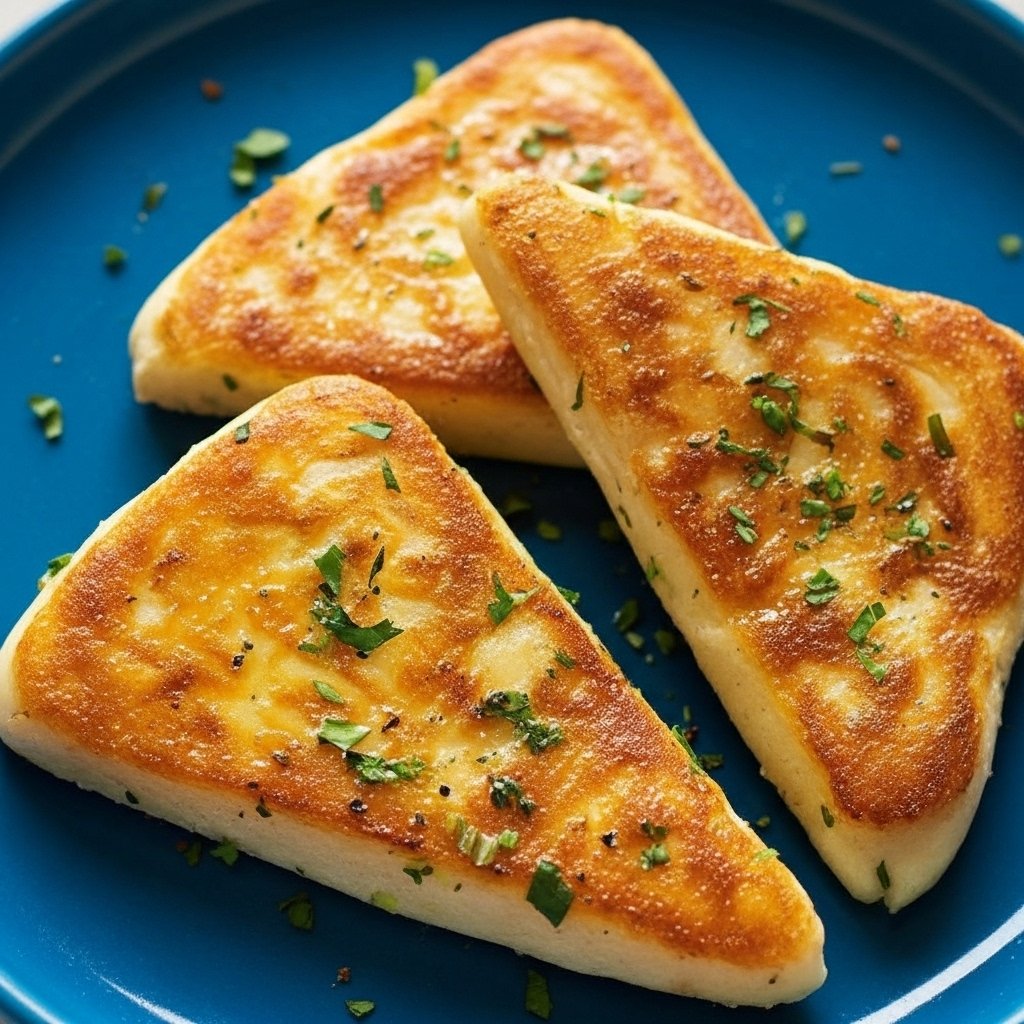
Why You’ll Love This Gluten Free Potato Bread
Moist and tender texture: The mashed potatoes keep the crumb soft and fluffy, not dry or crumbly.
Naturally gluten-free: Perfect for anyone avoiding wheat while still craving real bread.
Simple ingredients: No gums or hard-to-find starches — just a balanced, easy-to-work-with dough.
Great flavor: Slightly sweet, earthy, and buttery, just like classic potato bread.
Versatile uses: Ideal for toast, sandwiches, or even as dinner rolls.
Stays fresh longer: The potatoes add lasting moisture, keeping your loaf soft for days.
What You’ll Need
You only need a few basic ingredients to make this hearty gluten-free loaf:
For the Bread:
- 2 cups gluten-free all-purpose flour (with xanthan gum included)
- 1 cup mashed potatoes (plain, no butter or milk added)
- 2 ¼ teaspoons (1 packet) instant yeast
- 2 tablespoons sugar
- 1 teaspoon salt
- 2 large eggs, room temperature
- ¼ cup melted butter or neutral oil
- ¾ cup warm milk (about 110°F)
Optional Toppings:
- Melted butter for brushing
- Sesame or poppy seeds
Step-by-Step Instructions
Step 1: Activate the Yeast
In a small bowl, combine warm milk, sugar, and yeast. Stir gently and let it sit for 5–10 minutes until foamy. This means the yeast is active and ready.
Step 2: Mix the Dry Ingredients
In a large mixing bowl, whisk together the gluten-free flour and salt. Add in the mashed potatoes and mix with a fork to break up any lumps.
Step 3: Combine Wet and Dry
Add the yeast mixture, eggs, and melted butter (or oil) to the flour mixture. Stir until well combined. The dough will be thick and sticky — that’s normal for gluten-free bread.
If it’s too dry, add a tablespoon of warm milk at a time. If too wet, sprinkle a little more flour until it reaches a thick batter-like consistency.
Step 4: First Rise
Cover the bowl loosely with a kitchen towel or plastic wrap and let the dough rise in a warm spot for about 45–60 minutes, or until slightly puffed.
Step 5: Prepare the Pan
Grease a standard 9×5-inch loaf pan and line with parchment paper. Gently spoon the risen dough into the pan and smooth the top with a spatula.
Step 6: Second Rise
Cover again and let it rise for another 30–40 minutes. It should rise close to the top of the pan but may not double in size like regular bread — that’s okay.
Step 7: Bake
Preheat your oven to 375°F (190°C). Bake for 35–40 minutes, or until the top is golden brown and the loaf sounds hollow when tapped.
If it browns too quickly, loosely tent with foil halfway through.
Step 8: Cool
Remove the loaf from the pan and let it cool on a wire rack for at least 30 minutes before slicing. This helps the crumb set and prevents a gummy texture.
Tips for Perfect Gluten Free Potato Bread
- Use plain mashed potatoes.
Avoid butter or milk — extra fat can change the dough texture. - Measure accurately.
Gluten-free baking depends heavily on precise measurements. Spoon flour into your cup, then level it off. - Don’t skip the rise times.
Even though gluten-free dough won’t double, letting it rest improves texture and structure. - Add moisture if needed.
Different flour blends absorb differently. Adjust with milk or flour until the dough looks thick and sticky but not dry. - Cool completely before slicing.
Cutting too early can make the bread gummy inside.
Flavor Variations
Once you’ve mastered the base recipe, try one of these fun variations:
Savory
- Herb & Garlic: Add 1 teaspoon garlic powder and 2 teaspoons Italian herbs.
- Cheddar & Chive: Stir in ½ cup shredded cheddar cheese and 2 tablespoons chopped chives.
- Rosemary Olive: Add 2 tablespoons chopped olives and a pinch of dried rosemary.
Sweet
- Honey Oat: Replace 1 tablespoon of sugar with honey and sprinkle oats on top.
- Cinnamon Swirl: Mix 1 teaspoon cinnamon into the dough and swirl in brown sugar before baking.
Serving Suggestions
This Gluten Free Potato Bread is perfect for any occasion. Try it:
- Toasted with butter or jam for breakfast
- As the base for sandwiches or grilled cheese
- Alongside soups, stews, and chili
- As a soft dinner roll substitute for family meals
- For French toast — it holds up beautifully when dipped and cooked
How to Store and Reheat
Room Temperature:
Store cooled bread in an airtight container or bag for up to 3 days.
Refrigerator:
Keep up to 5 days. Toast before serving for best texture.
Freezer:
Slice and wrap each piece individually, then store in a freezer-safe bag for up to 2 months. Thaw at room temperature or reheat in the toaster or oven.
Make-Ahead Option
You can prepare the dough ahead of time and refrigerate it overnight (before the first rise). The next day, bring it to room temperature, let it rise, then bake as directed. Perfect for easy weekend baking.
Troubleshooting
Bread is too dense:
Your yeast may be inactive, or the dough didn’t rise long enough.
Crumb is gummy:
The bread wasn’t cooled long enough, or it needed a bit more bake time.
Bread didn’t brown:
Brush the top with butter or egg wash before baking for a deeper color.
Too dry:
Add an extra tablespoon or two of mashed potato or milk next time.
Frequently Asked Questions
Can I use instant mashed potatoes?
Yes, just prepare them with water (not milk or butter) and let them cool before using.
Can I make this dairy-free?
Absolutely. Substitute the butter with oil and use non-dairy milk like almond or oat.
Can I use a bread machine?
Yes — use the “gluten-free” setting if available. Otherwise, use the basic dough cycle, then bake in the oven.
Can I make rolls instead of a loaf?
Definitely! Divide the dough into 8 pieces, shape into rolls, and bake for 20–25 minutes.
Do I have to use xanthan gum?
If your flour blend already contains it, no need to add extra. If not, mix in 1 teaspoon per 2 cups of flour.
Nutrition Information (Approximate Per Slice)
Calories: 140
Protein: 4g
Fat: 4g
Carbohydrates: 22g
Fiber: 2g
(Values vary slightly depending on ingredients used.)
Why Potato Bread Works So Well Gluten-Free
Potatoes naturally hold moisture and add structure, helping mimic the elasticity that gluten provides. The result is a soft, tender loaf that stays fresh longer and doesn’t crumble when sliced. Combined with yeast for rise and eggs for stability, this creates a satisfying, bakery-style bread every time.
Final Thoughts
This Gluten Free Potato Bread proves that gluten-free baking can be soft, delicious, and comforting — not dry or dense. With its moist crumb, subtle flavor, and easy prep, it’s a recipe you’ll return to again and again.
Perfect for everyday meals, holiday tables, or simply enjoying a warm slice with butter, this bread brings that nostalgic homemade touch — completely gluten-free and utterly satisfying.